
VCT Pacific issues official statement on Kickoff competitive integrity concerns
Two players received written notices as Riot responds to community concerns surrounding Kickoff’s competitive environment.
APAC – Riot Games has released an official written statement addressing the competitive integrity concerns that surfaced during the 2026 VCT Pacific Kickoff.
Head of VALORANT Esports APAC and VCT Pacific Jake Sin also spoke about the matter on the YAP2ASIA Podcast in a personal capacity, covering the timeline, scope of the investigation, and the final verdict reached after an extensive review by the VCT Pacific team.
In the written statement released today, Riot emphasized that competitive integrity remains “one of the most important pillars” of the league, while acknowledging there is still room to improve. The publisher also thanked members of the community for raising concerns and said it had taken a closer look at several of its internal processes and protocols following the tournament.
A major focus of the review centered on headset usage during Kickoff. Riot said it examined gameplay footage and facecam recordings from all teams at the event and confirmed two instances of improper equipment usage.
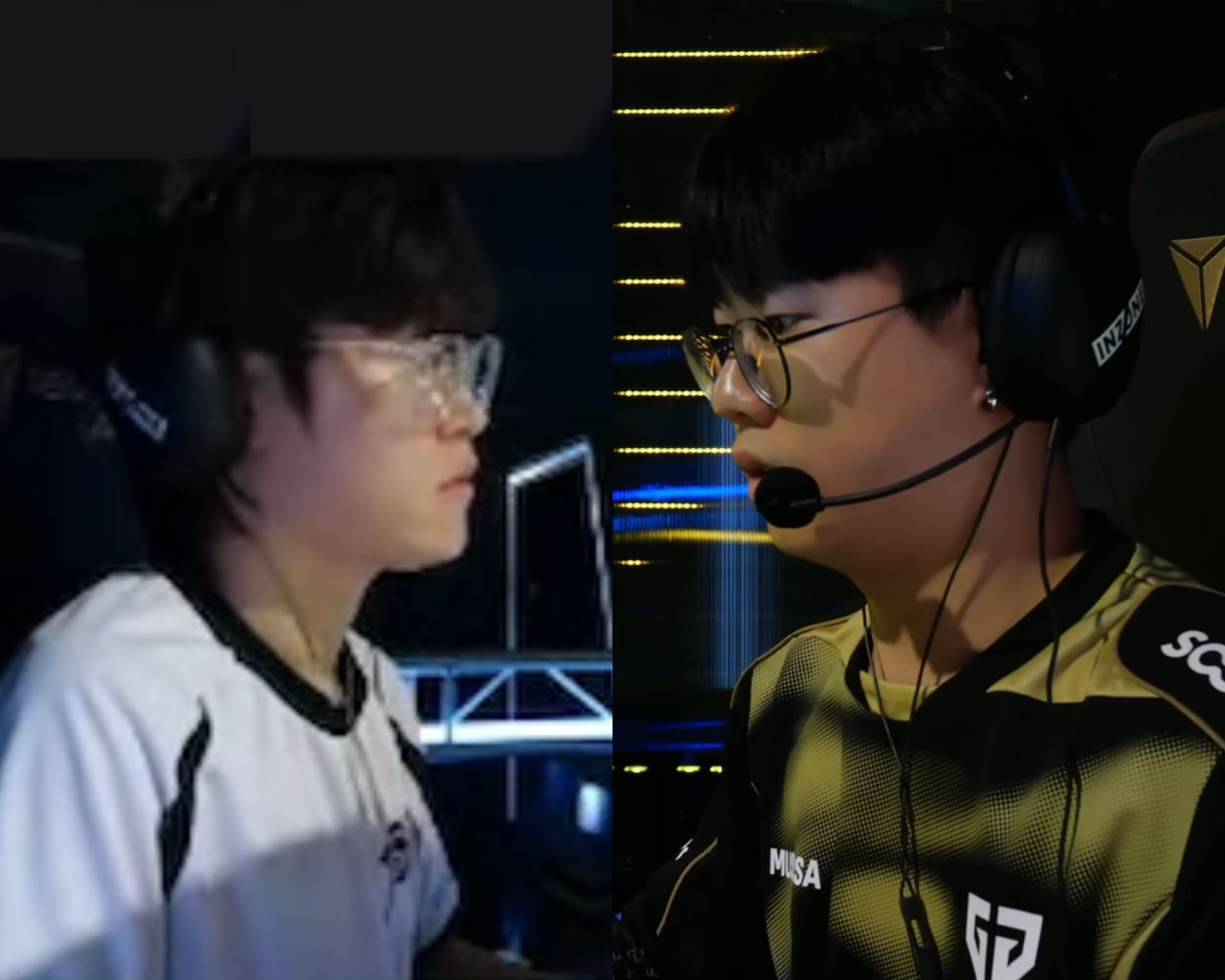
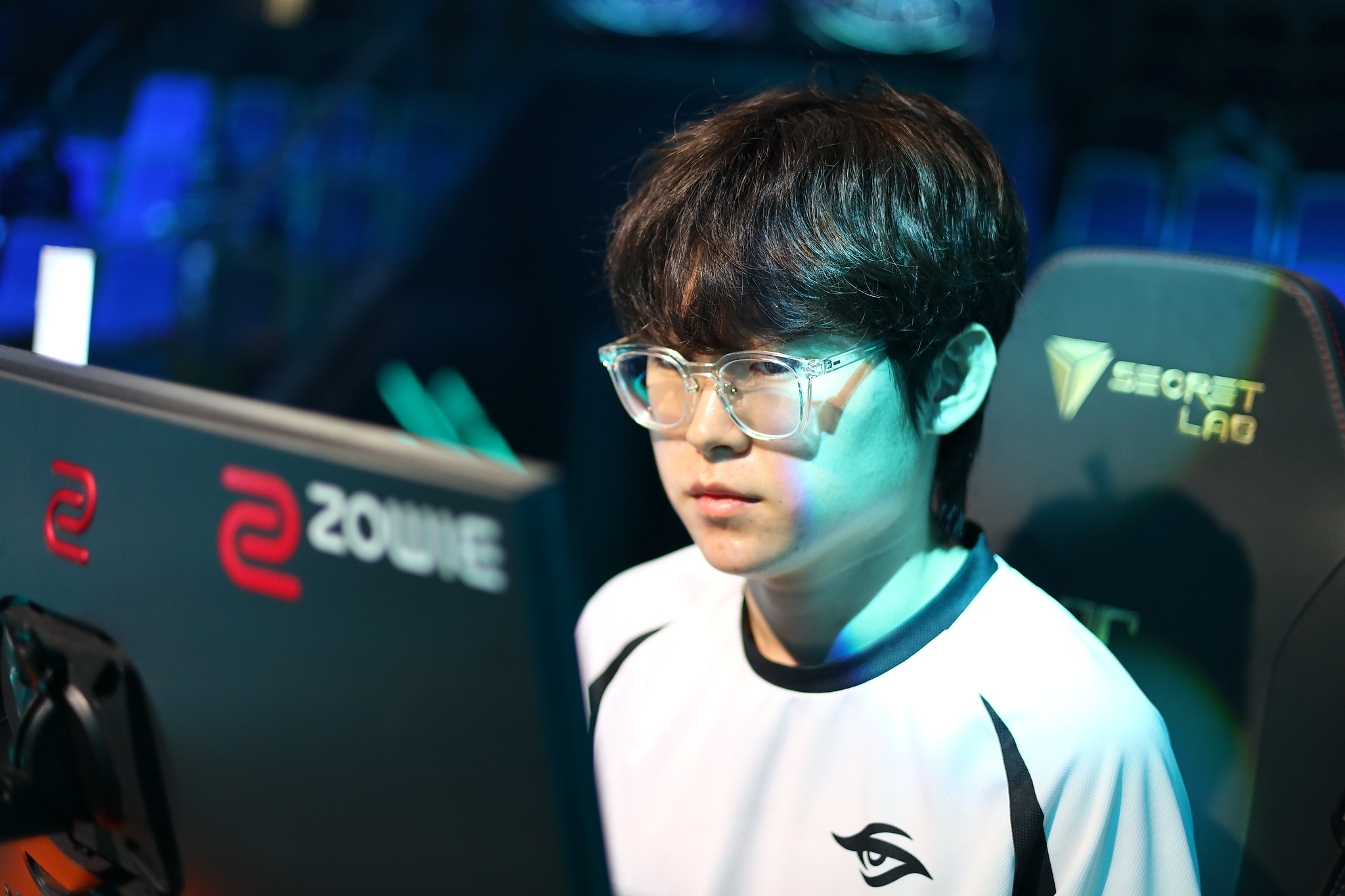
These took place during Gen.G’s match against DetonatioN FocusMe on January 23, specifically on Map 2 involving Kim “Lakia” Jong-min, and during Team Secret’s series against ZETA DIVISION on February 5, on Maps 2 and 3 involving Ko “Sylvan” Young-sub.
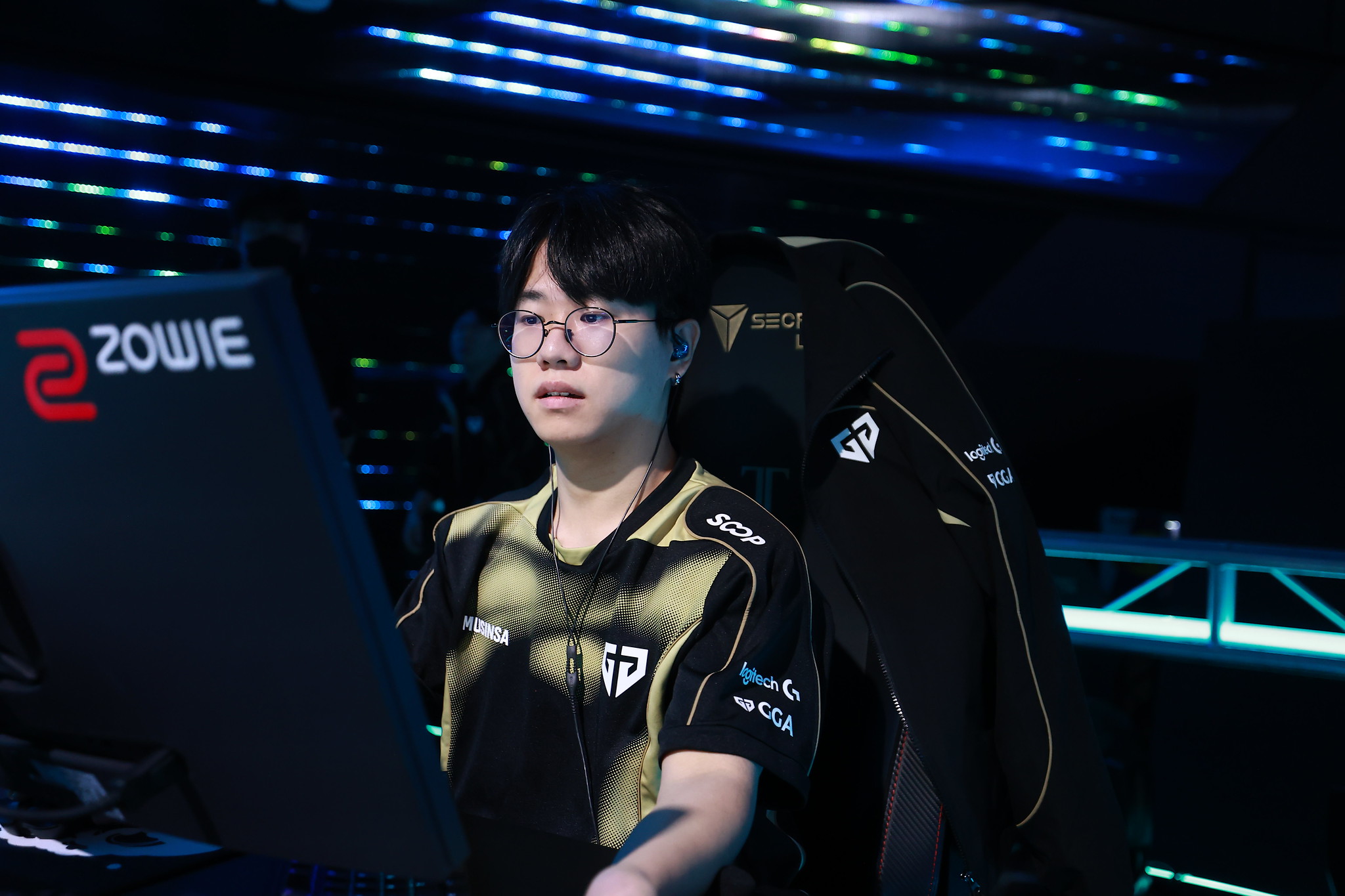
After further reviewing footage and voice communications from those matches, Riot said it did not find evidence that the improper headset usage was intentional or that either player gained material competitive advantage through in-venue caster audio. Riot also noted that both teams ended up losing the maps in which the headset violations occurred.
“After reviewing footage and voice comms from these specific matches, we did not find evidence that the improper headset usage was intentional, nor that the individuals gained in-venue casting information for a material match advantage. In fact, the maps during which the headsets were improperly worn resulted in losses for both teams.”
Under Section 2.3.7 of the VCT ruleset regarding audio restrictions, as well as the penalty index for a first offense under unauthorized removal or use of equipment, Riot has issued written notices to the players involved. They have also been warned that repeated offenses could lead to further disciplinary action.
“To address this issue more proactively moving forward, we have strengthened monitoring protocols for headset usage during matches through enhanced Player POV oversight and updated referee checklist procedures. We have also issued a precautionary notice to all teams with a reminder that players must ensure headsets fully cover their ears at all times and that they must also obtain referee approval before removing their headsets or risk penalty.”
Riot’s statement also addressed concerns regarding venue audio volume and whether players could hear on-site casters during matches. According to the publisher, pre-event stage checks already include audio testing at peak caster volume to ensure players are unable to clearly hear commentary on stage.
“We also apply a double insulation set up for live matches where our players wear in-ear monitors (IEMs) in addition to their headsets while onstage. Team comms are broadcast through the IEMs, while white noise is played through the headsets to block out external audio.
While certain levels of background noise are expected, especially when casters and the crowd raise their voices or cheer loudly, our audio set ups are able to block exact words from being heard and there have not been any official reports from players during live matches at any point during Kickoff.”
Even so, Riot said more changes are coming starting from Stage 1. The company is currently reviewing enhanced protocols that include more time for technical checks, more intensive rehearsal-based audio testing, and stress-testing audio equipment against caster volumes that are significantly higher than standard thresholds. Riot also said its operations teams will continue to be prepared to quickly adjust venue audio levels if teams raise concerns on stage.
For more insights on the Asian VALORANT scene and upcoming content like this, be sure to like and follow VALO2ASIA on Facebook, Twitter & Instagram.